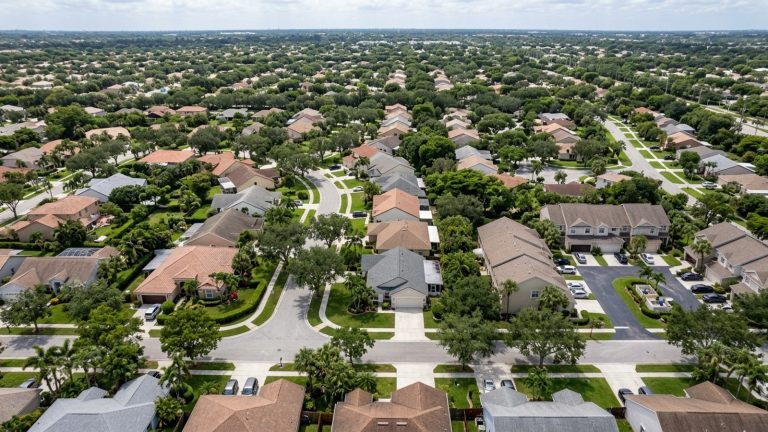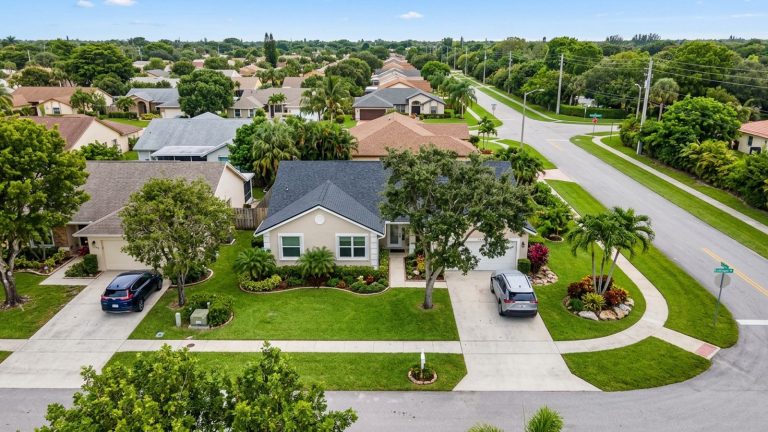
If you’re driving around Tamarac looking for a wide-open field to build your dream home, you might be driving for a while. Unlike the sprawling developments further north, Tamarac is effectively “built out.” We aren’t seeing new subdivisions popping up on raw farmland anymore because there isn’t any left.
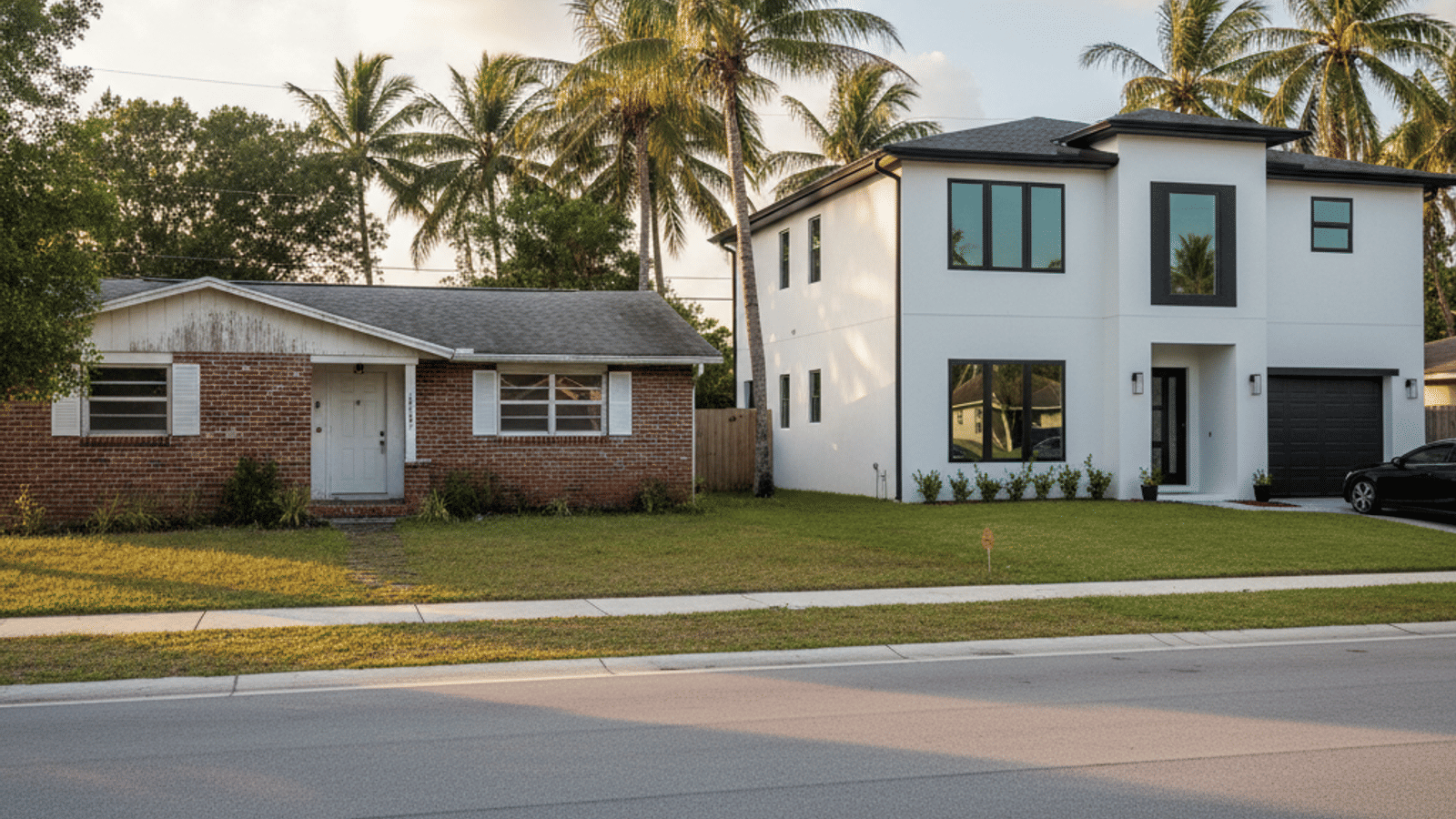
But that doesn’t mean you can’t build here. In fact, as of early 2026, we are seeing a significant shift toward “Teardown-Rebuild” projects. Investors and future homeowners are targeting 1970s-era properties—often smaller homes on good-sized lots—and replacing them with modern, custom estates. There are also unique redevelopment pockets, like the area around the Woodlands, that are opening up new inventory in a market that felt closed off for years.
Building here is a different beast than buying a spec home. It requires patience, a solid budget, and a willingness to navigate some local red tape. You are looking at a 12 to 18-month timeline from concept to move-in, especially with the code updates and fee schedules that kicked in this year. It’s a marathon, not a sprint, but for many, getting exactly what they want in a central Broward location is worth the effort.
Cost to Build a House in Tamarac (2026 Estimates)
Let’s talk numbers. When people ask me about the price tag, they usually focus on the lumber and labor, but in an infill market like Tamarac, the financial picture is a bit more complex.
First, you have your construction hard costs. For a standard custom build in our area, you should budget anywhere from $150 to $350+ per square foot. If you are leaning toward high-end luxury finishes—think imported tile, commercial-grade appliances, and smart-home integration—you can easily push past that upper limit. This per-square-foot cost covers the physical structure, from the slab to the roof.
Then come the soft costs, which are often the hidden budget killers. These include your architect, structural engineers, surveyors, and soil testing. You can’t skip these; the city requires detailed plans before you even apply for a permit.
Since raw land is rare, you also need to factor in site preparation. If you are buying an older property to tear down, demolition usually runs between $15,000 and $20,000. If you do happen to find a vacant lot, it might be overgrown or require fill dirt to meet elevation requirements.
Finally, don’t overlook utility connections. Tamarac has specific “Contribution in Aid of Construction” (CIAC) fees. Connecting to water and sewer isn’t free. You are likely looking at $4,000 to $4,500 just for the hookup privileges, plus additional meter installation fees. When you add it all up, the “cost to build a house in Florida” involves a lot more than just paying a builder.
Navigating Tamarac & Broward County Impact Fees
One of the biggest shocks for new builders is the impact fee schedule. These are mandatory one-time payments to the City and County to offset the strain your new home puts on local infrastructure like parks, roads, and schools.
City Fees in Tamarac were updated recently. As of Jan 2026, the schedule covers parks, general government services, and multi-modal transportation. For a single-family home larger than 2,500 square feet, the city portion alone is roughly $6,009.
However, the bigger check often goes to the Broward County School Board. This is separate from the city permit and is paid directly through the School Board’s portal. If you are building a modest 3-bedroom home, the fee is around $6,170. But if you are building a larger family home with 4 or more bedrooms, that fee jumps significantly to over $11,000. It’s a steep cost that catches many off guard.
On top of that, Broward County assesses separate transportation impact fees based on traffic zones, and there is occasionally a “Public Art Fee” for certain larger projects. While the art fee is less common for a single custom home, it’s always worth verifying with the building department so you aren’t surprised at the counter.
Finding a Lot: Teardowns vs. Redevelopments
Since you won’t find pages of “vacant land” listings on Zillow for Tamarac, you have to get creative with your search strategy.
The most common route is the Teardown Strategy. This involves identifying older homes that are selling for land value. Look for properties in non-HOA neighborhoods or communities with relaxed associations. You need to check the deed restrictions carefully before making an offer; some HOAs have strict rules against demolition or extensive construction delays.
We are also watching Redevelopment Zones closely. The Woodlands Country Club area has been a major topic of conversation, with over 165 acres rezoned for new single-family homes. These infill developments are rare opportunities to build new in a mature area without having to manage the demolition of an existing structure yourself.
Regardless of where you look, due diligence is non-negotiable. Even on an existing lot, you must check for wetlands or easements. Just because a house sat there in 1975 doesn’t mean the current environmental codes will let you build the same footprint in 2026.
Step-by-Step: The Tamarac Permitting Process
Once you have the land, you have to get permission to build. The City of Tamarac Building Department is strict but generally organized if you follow their flow.
Step 1 is Surveys & Soil Tests. You cannot start designing your foundation until you know exactly what is under the ground.
Step 2 is Design & Engineering. Your architect must design to the Florida Building Code (8th Edition). This code dictates everything from wind load resistance to energy efficiency.
Step 3 is Submission. Tamarac uses an “ePermits” portal for submissions. When you pay for your permit, expect a few extra line items: a 1.0% surcharge for the Florida Building Code compliance and a 1.5% surcharge for the DBPR (Department of Business and Professional Regulation). There is also a small training fee calculated at roughly $0.30 per $1,000 of job cost.
Step 4 is the Notice of Commencement. This is a legal document you must record with Broward County before your first inspection. If you skip this, you will fail your first inspection immediately.
For those wanting to be hands-on, there is an Owner-Builder Option. You can legally pull your own permits if you own the land and intend to live in the home for at least one year after completion. However, you will have to sign a strict Affidavit stating you understand the risks. If you hire unlicensed workers under this permit, you are liable for everything from injuries to code violations.
Timeline: How Long Will It Take?
If you watch TV renovation shows, you might think you can build a house in three months. In South Florida, that is simply not reality.
Pre-Construction usually takes 3 to 6 months. This includes finalizing your architectural drawings, getting HOA approval (if you are in a governed community), and waiting on the city to issue the permit.
Construction itself typically runs 9 to 12 months. This covers site work, pouring the shell, framing, and all the interior finishing.
You also need to buffer for Common Delays. Hurricane season runs from June through November. If a storm approaches, job sites shut down, and inspections get paused. Material shortages can still happen, and inspection backlogs can add weeks to the process. Realistically, plan for a 12 to 18-month window from the day you close on the lot to the day you get your keys.
Florida-Specific Building Requirements
Building in Tamarac means respecting the tropical climate. The local codes are designed to keep your home standing during extreme weather.
Hurricane Protection is the priority. You will need to choose between impact-resistant windows or code-compliant shutters. Most new builders opt for impact windows. While they cost more upfront, they significantly increase resale value and can drastically lower your insurance premiums.
Speaking of water, check the Flood Zones. FEMA updated maps in 2024/2025, and Tamarac has specific requirements for flood retention. You may need to build your foundation higher than the existing grade to comply.
Energy Calculations are another hurdle. Your HVAC sizing and insulation must meet strict efficiency codes. It’s not just about comfort; if the math doesn’t work on the energy forms, you won’t get your permit.
Lastly, consider Insurance. One of the biggest financial benefits of building new is the insurance savings. A home built to the 2026 code is much cheaper to insure than a renovated 1980s home because the risk to the insurer is much lower.
Frequently Asked Questions
Yes, but it is heavily regulated. Tamarac zoning usually allows for Accessory Dwelling Units (ADUs) or guest houses only if the lot size supports it and the structure meets specific setback requirements. You cannot simply drop a shed in the backyard; it must be permitted and built to the same code as the main house.
Permit fees are based on the estimated value of the construction work. While the base fee varies, you should expect to pay roughly 2.5% to 3% of your total construction cost when you add up the base permit fee, the state surcharges, and the technology fees.
Generally, buying an existing home is cheaper and faster upfront. Building a custom home usually comes with a premium of 20% to 30% over buying an existing resale property, but you save money long-term on lower insurance premiums, lower maintenance, and energy efficiency.
To pull an owner-builder permit, you must own the property, the property must be for your own use and occupancy, and you cannot sell or lease the home for one year after completion. You must also appear in person at the building department to sign a disclosure statement acknowledging you are responsible for taxes, insurance, and construction liability.