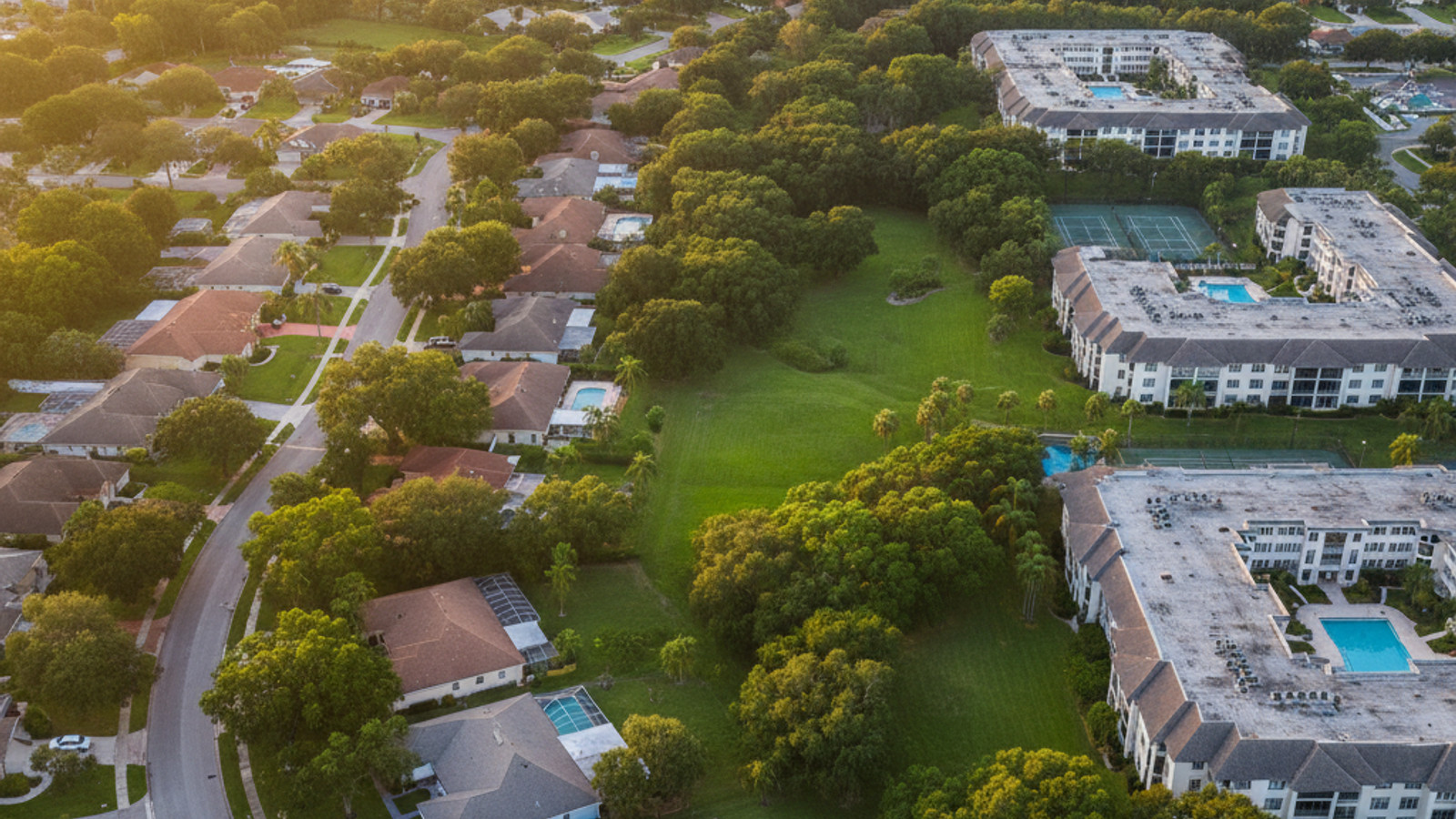
The median home price in Coral Springs, FL currently sits between $550,000 and $625,000 as of early 2026. Buyers entering the market this year will find a different landscape than in previous cycles, with increased inventory offering more choices. This shift gives prospective homeowners more room to negotiate on pricing and terms.
Located in Broward County, the city features a mix of housing options ranging from low-maintenance condominiums to large single-family estates. Specific building codes implemented decades ago have preserved green spaces and consistent architectural standards throughout the community. Understanding the local tax rates, commute patterns, and neighborhood features will help you evaluate the available listings.
Current Prices for Coral Springs Real Estate
Buyers searching for property will see single-family homes typically listed between $500,000 and $800,000. Condominiums provide a more accessible entry point, with prices generally ranging from $124,000 to $200,000. The local market has experienced a slight cooling trend over the past year, leading to longer average days on the market.
This increase in available homes for sale means buyers no longer need to waive inspections or rush their decisions. Sellers are often more willing to discuss closing cost credits or flexible move-in dates. Working through these details early in the process ensures you understand the total cost of the property.
Property Taxes and HOA Dues in Broward County
The median effective property tax rate in Coral Springs, FL is approximately 1.43%. For a median-priced home, owners can expect an annual tax bill ranging from $5,000 to $7,000. The city’s millage rate for the 2025-2026 fiscal year is roughly 20.3 mills, which is comparable to surrounding municipalities in the county.
Primary residents should apply for the Florida Homestead Exemption to reduce their taxable property value. In addition to taxes, many neighborhoods in the area require monthly homeowner association dues. These HOA fees typically cover common area maintenance, community pools, and exterior landscaping for townhouses.
Buyers should review the HOA documents carefully before closing to understand any upcoming special assessments. Lenders will factor these monthly dues into your debt-to-income ratio during the mortgage underwriting process.
Commute Times to Fort Lauderdale and Miami
The Sawgrass Expressway runs directly through the western edge of Coral Springs, FL, providing a direct link to I-595 and I-95. Commuters driving to downtown Fort Lauderdale can expect a trip of 30 to 45 minutes under normal traffic conditions. During peak morning hours, congestion along the major interchanges can add another 15 minutes to that drive.
Driving to Miami requires more planning, as the trip typically takes 1.5 to 2 hours during heavy morning and evening traffic. Buyers working in Miami-Dade County should test the drive during their actual commuting hours before making an offer. Alternative transportation exists via Broward County Transit buses or the Tri-Rail system, which operates stations in neighboring Pompano Beach and Deerfield Beach.
Local Parks and Cultural Venues
The city maintains a large network of recreational spaces and protected natural environments. Local zoning regulations prioritize conservation, ensuring that residential developments remain close to outdoor amenities. Residents have access to dozens of municipal parks, athletic complexes, and indoor cultural facilities.
Several major facilities anchor the community’s recreational offerings. These locations provide spaces for both athletics and the arts:
- Mullins Park: At 62 acres, this is the largest municipal park in the city, featuring the Cypress Pool and multiple artificial turf sports fields.
- Tall Cypress Natural Area: This 66-acre protected wilderness includes a half-mile elevated boardwalk that winds through dense cypress swamps.
- Coral Springs Center for the Arts: This venue houses a 1,471-seat theater for live performances and connects directly to the Coral Springs Museum of Art.
Broward County Public Schools in the Area
The Broward County Public Schools district operates the educational facilities serving Coral Springs, FL. Students in the area are zoned for campuses like Coral Springs High School and Coral Springs Middle School. The district boundaries determine which specific facility a student will attend based on their home address.
In addition to traditional public options, the city features several charter programs, including Coral Springs Charter. The concentration of these educational facilities often influences local property demand. Buyers should verify school district boundaries directly with the county, as zoning lines can shift between academic years.
How to Search for a Property and Secure Financing
Partnering with a local real estate agent is a practical way to identify the right property. Agents have direct access to the multiple listing service, which provides the most accurate and up-to-date data on active listings. They can filter results based on your specific budget, required square footage, and preferred architectural style.
Before touring homes for sale, you should secure a mortgage pre-approval from a licensed lender. This document proves to sellers that a financial institution has verified your income and assets. Submitting an offer with a pre-approval letter attached makes your bid stronger in negotiations.
Frequently Asked Questions
Prices have stabilized in 2026, shifting away from the rapid appreciation seen in previous years. While single-family homes still command $500,000 to $800,000, increased inventory has reduced bidding wars. Sellers are now more likely to accept offers at or slightly below the asking price.
A typical homeowner in the area pays around 1.43% of their property’s assessed value in annual taxes. Because assessed values often differ from purchase prices, your exact bill will vary based on county appraisals. Applying for the state Homestead Exemption is the best way to lower this annual expense.
Commuters heading to downtown Miami face a 90-minute to two-hour drive when traveling during the morning rush. The most common route involves taking the Sawgrass Expressway south to the Florida Turnpike. Leaving outside of peak hours can cut this travel time down to roughly 60 minutes.