Buyers looking at the western suburbs of Broward County often find themselves comparing tamarac vs sunrise. Both cities offer a distinct alternative to the high-density coastal areas of South Florida. They provide a mix of single-family homes, condominiums, and master-planned communities that appeal to a wide range of budgets.
Choosing between the two requires a close look at commuting patterns, housing costs, and local infrastructure. While they share a border and easy access to the Everglades, their commercial footprints and median property values differ significantly in 2026. Understanding these nuances is essential for making an informed real estate investment.
Both municipalities are positioned in Broward County, nestled between the coastal cities and the expansive wetlands to the west. Evaluating them requires looking beyond just the purchase price to understand the total cost of ownership. The 2026 market dynamics make this comparison crucial for anyone planning a move to South Florida.
Tamarac vs Sunrise: Comparing the 2026 Real Estate Markets
The 2026 housing market in these neighboring cities presents a clear contrast in entry pricing. Tamarac generally offers a lower barrier to entry, with median home prices hovering between approximately $295,000 and $317,000. Sunrise carries a slightly higher premium, where median property values typically range from $325,000 to $385,000.
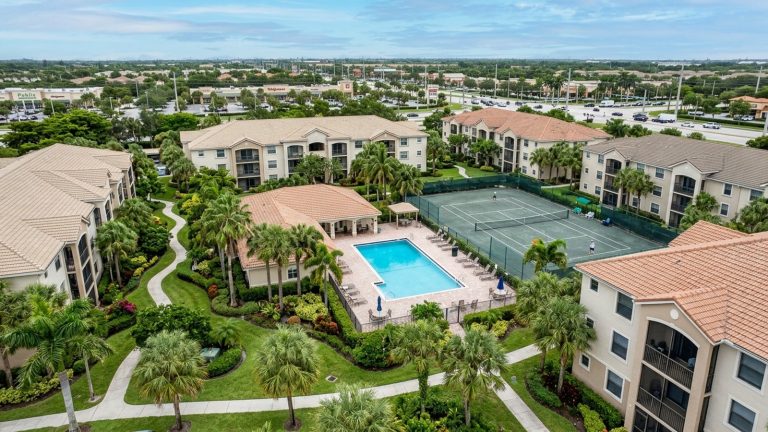
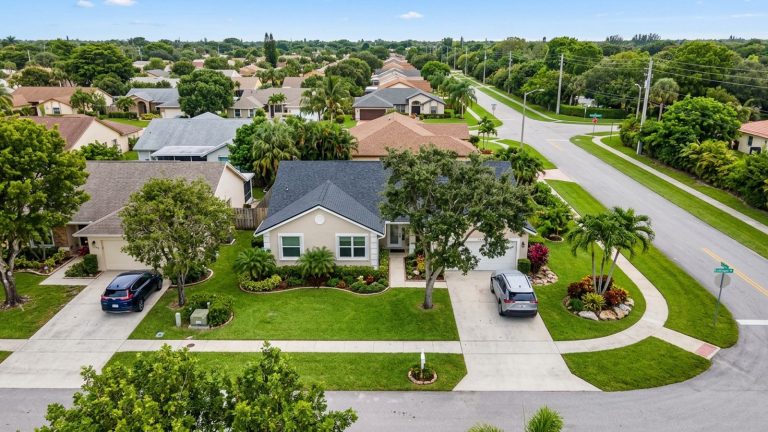
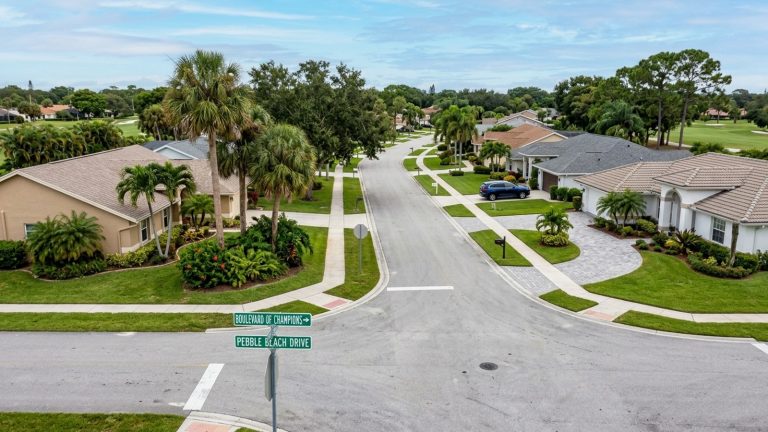
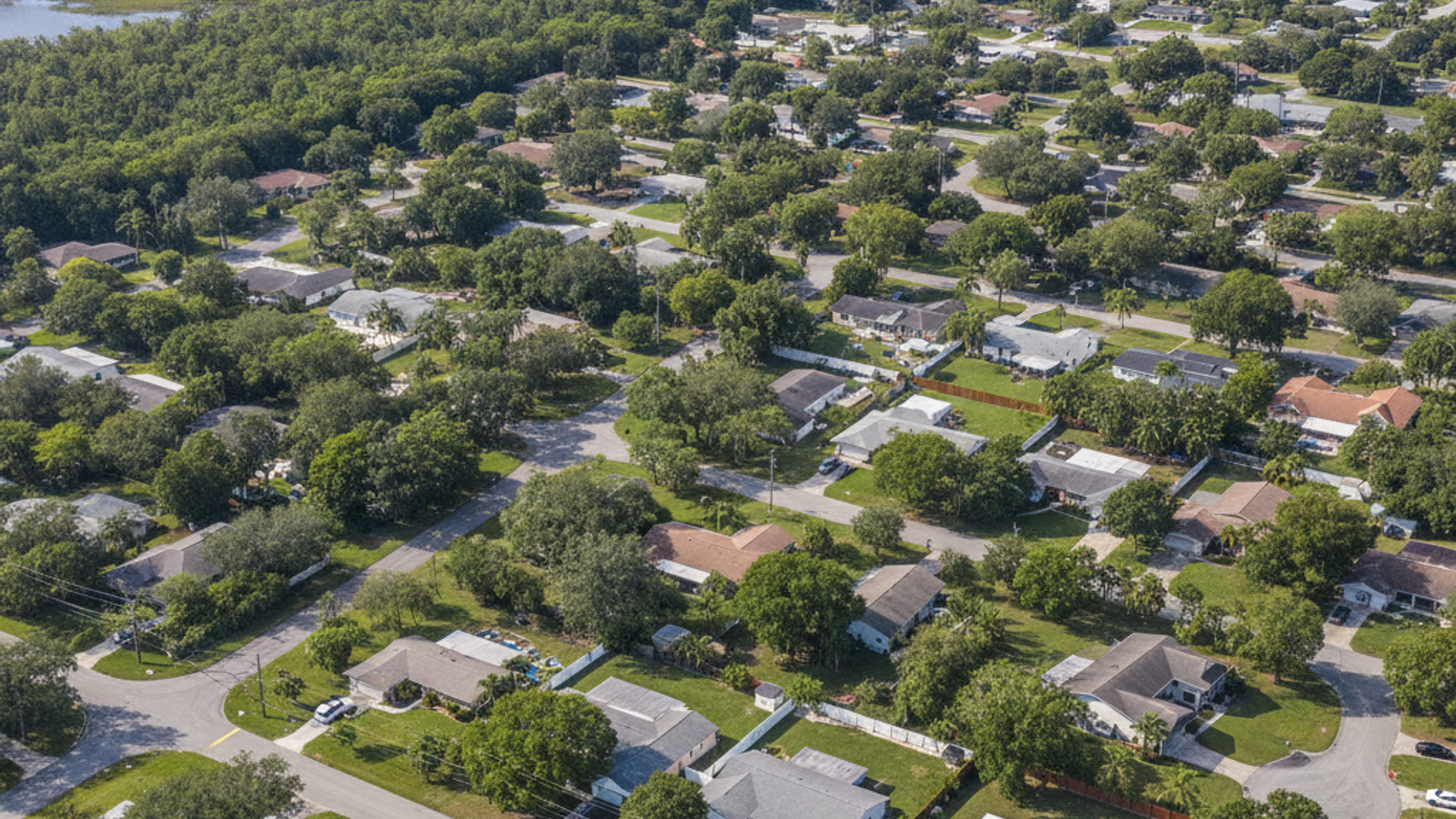
Both municipalities provide an attractive alternative to neighboring premium markets like Weston or Parkland. Buyers evaluating these areas will find a robust mix of older single-family homes, gated communities, and mid-rise condominiums. Sunrise tends to feature more sprawling, master-planned developments, while Tamarac maintains a dense concentration of established residential subdivisions.
Current South Florida insurance requirements heavily influence total monthly housing costs in both locations. Single-family home owners in these cities typically see HOA fees ranging from $150 to $400 monthly. Condominium buyers must account for higher carrying costs, as condo HOA fees frequently span from $400 to well over $600 to cover elevated master policy premiums.
For first-time buyers, Tamarac often stands out as the more budget-friendly option for acquiring a detached property. Sunrise, however, commands higher values due to its expansive commercial tax base and immediate highway connectivity.
Investors also keep a close eye on the rental markets within these two municipalities. Rental demand remains steady across the region, driven by professionals working in nearby Fort Lauderdale and Plantation. Tamarac often yields favorable capitalization rates for investors purchasing mid-range condominiums.
Sunrise attracts a slightly different tenant pool due to its massive retail sector and corporate parks. Single-family homes in gated communities here command premium rental rates. Both cities maintain strict homeowner association rules regarding tenant approvals and lease durations.
Commute Times and Transportation Infrastructure
Transportation access is a defining factor when evaluating real estate in western Broward County. Sunrise operates as a highly connected commuter hub due to its immediate access to the Sawgrass Expressway, also known as Florida State Road 869, and the I-595 corridor. This infrastructure allows residents to bypass heavy local traffic when heading south or east toward major employment centers.
Tamarac relies on a different grid, primarily utilizing Commercial Boulevard and University Drive for daily east-west and north-south travel. Commuters in Tamarac generally connect to Florida’s Turnpike for longer trips, which can add time during peak morning and evening hours. Daily traffic bottlenecks on these arterial roads are a standard part of the routine for those traveling out of the city.
Both cities are positioned roughly 12 to 15 miles from downtown Fort Lauderdale. A typical morning drive to the downtown business district takes about 35 to 45 minutes, depending on the exact departure point and current congestion.
Reaching the Miami metropolitan area requires a longer journey of 35 to 40 miles. Sunrise residents often enjoy a slightly more streamlined trip south by taking I-595 directly to I-95 or the Turnpike, whereas Tamarac residents must navigate local roads first before hitting the major highways.
Public transportation options exist but remain secondary to personal vehicle travel in this region. Broward County Transit operates multiple bus routes along the major corridors of both cities. However, the sprawling suburban layout means most residents rely heavily on personal cars for their daily commute.
Local road infrastructure in Sunrise benefits from recent upgrades designed to handle heavy mall traffic. Tamarac features a quieter network of residential streets that weave through golf courses and water features. Navigating these local roads efficiently is a skill new residents quickly acquire.
Major Commercial and Recreational Amenities
The commercial landscapes of these two municipalities offer entirely different experiences for residents. Sunrise is anchored by a massive retail and entertainment footprint, highlighted by the Sawgrass Mills mall and the Amerant Bank Arena. This heavy commercial density brings a constant influx of visitors and provides residents with immediate access to hundreds of retail stores and major concert events.
Tamarac features a much more traditional, residential layout centered around local neighborhood shopping plazas. Instead of regional mega-malls, the city focuses on community-scaled amenities and outdoor green spaces. The Tamarac Sports Complex and the Colony West Golf Club serve as primary recreational hubs for locals looking for outdoor activities.
Both cities benefit from their geographical placement right up against the edge of the Everglades. This western boundary provides extensive opportunities for airboat tours, hiking, and wildlife observation just minutes from residential subdivisions.
Buyers who prioritize walking distance to major dining and entertainment venues often lean toward the eastern edges of Sunrise. Those who prefer a quieter, less commercially intense environment typically find Tamarac’s neighborhood structure more appealing.
Everyday shopping in Tamarac is highly convenient, with numerous grocery stores and pharmacies anchoring local intersections. The dining scene here leans heavily toward independent restaurants, casual cafes, and long-standing local diners. It lacks the dense concentration of national chain restaurants found just a few miles south.
Sunrise offers an overwhelming variety of dining options, heavily clustered around the Sawgrass Mills mall perimeter. Diners can find everything from quick-service chains to upscale steakhouses catering to the arena crowds. This commercial density ensures residents rarely need to leave the city limits for entertainment or dining.
Municipal Infrastructure, Property Taxes, and Schools
Evaluating the long-term cost of living requires a close look at local tax structures and municipal service fees. Both cities assess millage rates around 20 to 21 mills for 2026, which translates to an effective property tax rate of approximately 1.4% to 2.1%. Buyers must also factor in municipal service fees for waste management and stormwater, which are billed annually and impact the overall carrying cost of the property.
Proximity to essential healthcare infrastructure is strong across this entire western corridor. Tamarac residents are served locally by HCA Florida Woodmont Hospital, which offers comprehensive emergency and surgical services. Sunrise residents frequently utilize Broward Health West in nearby Plantation for major medical needs.
Public education in both municipalities is managed by the Broward County public school system. Zoning boundaries frequently shift, but residents in both areas have access to various magnet programs and public charter schools.
The availability of these specialized academic programs often drives real estate demand in specific neighborhoods. Prospective buyers should verify current zoning boundaries directly with the county district, as a home’s exact location dictates its assigned facility.
Climate resilience and weather preparation are major considerations for infrastructure in South Florida. Both municipalities manage extensive canal networks designed to handle heavy summer rains and storm runoff. Homebuyers should review flood zone maps carefully, as specific neighborhood elevations vary slightly across the western suburbs.
Utility providers are generally consistent across this section of Broward County. Florida Power & Light services the electrical grid, while municipal water and sewer services are billed directly by the respective cities. Understanding these baseline utility costs helps buyers accurately project their monthly household budget.
Frequently Asked Questions
Yes, Tamarac generally offers a lower barrier to entry for homebuyers. The median property price in Tamarac sits between $295,000 and $317,000, compared to Sunrise’s median of $325,000 to $385,000. However, varying HOA fees and exact property tax assessments can narrow this gap in total monthly costs.
Both cities are landlocked western suburbs located similar distances from the Atlantic coast. Driving to the beaches in Fort Lauderdale or Pompano Beach typically covers 12 to 15 miles. Residents should expect a 30 to 40-minute drive depending on seasonal traffic patterns.
Sunrise provides a logistical advantage for daily commuters heading south to Miami. Its immediate proximity to the I-595 interchange allows drivers to quickly connect to I-95 or the Florida Turnpike. This streamlined highway access shaves valuable minutes off the typical 35 to 40-mile journey.